Aviation Club Shares Love of Flying
by Ric Cavazos | Photos courtesy of Small Model Aircraft Society of Harlingen
The sounds of vintage World War II planes flying over his boyhood home in Harlingen inspired a love of aviation for a young Pat Reilly.
They were the prime years of the Confederate Air Force era at the Harlingen airport in the 1960s and 1970s. Reilly, his home located near the airport, took it all in. He grew up to become a pilot, fostering a love for flying. All these years later, Reilly has given up his days of being in a cockpit, but that doesn’t mean he has lost his appreciation for aviation.
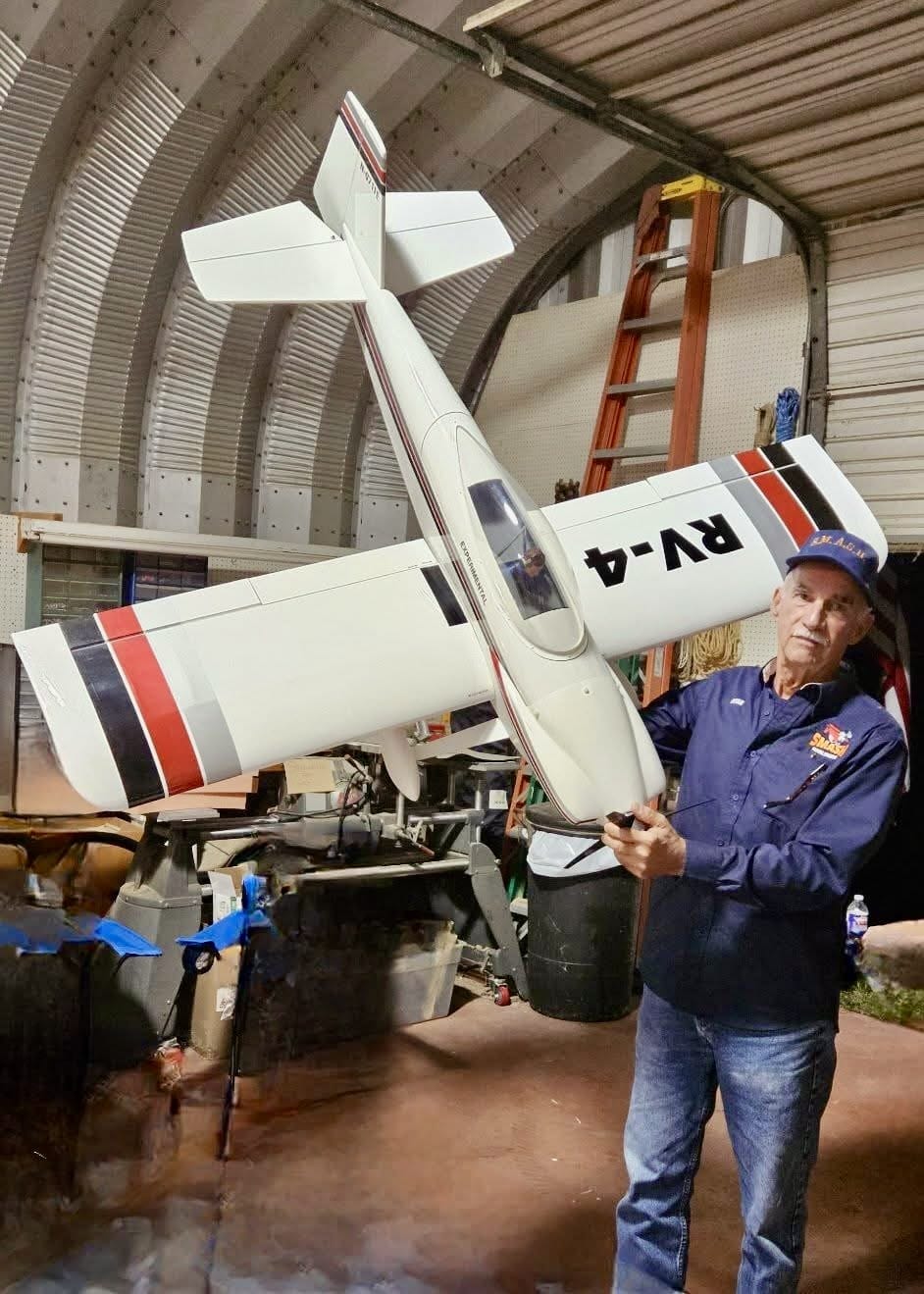
Reilly is, today, the president of an organization of aviation enthusiasts who enjoy flying model airplanes controlled by a remote control and powered by electricity. He calls it “a big hobby,” and with its accessibility and relative ease–as compared to past years–Reilly says “anyone can do it.”
Ready To Fly
The origins of the Small Model Aircraft Society of Harlingen go back to 1985.
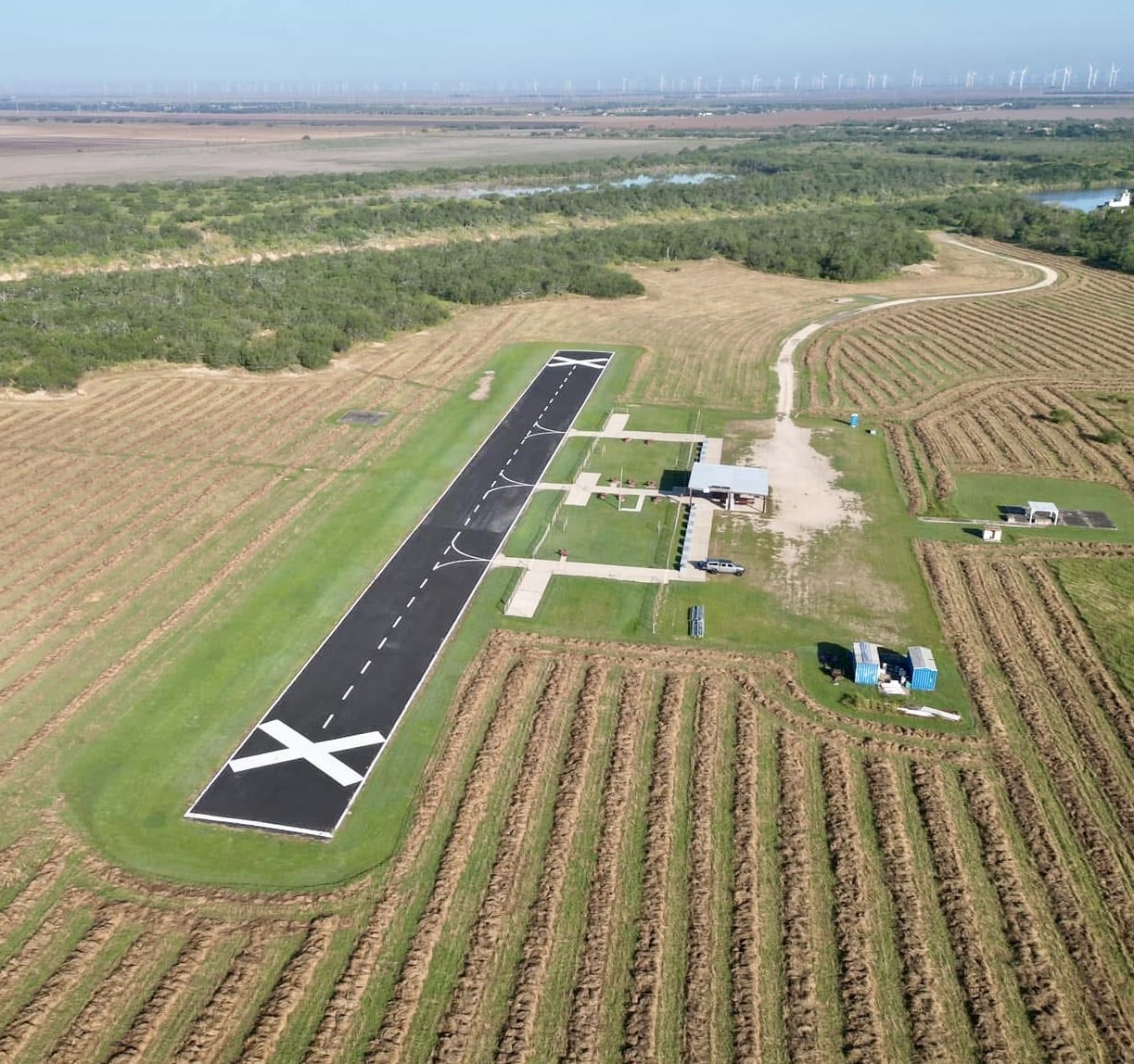
It is billed on its website as being an organization “to enjoy the fellowship of others who share our love for the sport of model aviation.” Its acronym is SMASH, and it utilizes two main airfields in the Rio Grande Valley. The primary flying space is found in Rio Hondo on South Arroyo Boulevard, in close proximity to the city’s lift bridge. The second air space has ties to the old CAF in that it is found in Mercedes at the original headquarters of the legendary organization and is located on Mile 2 E Road.
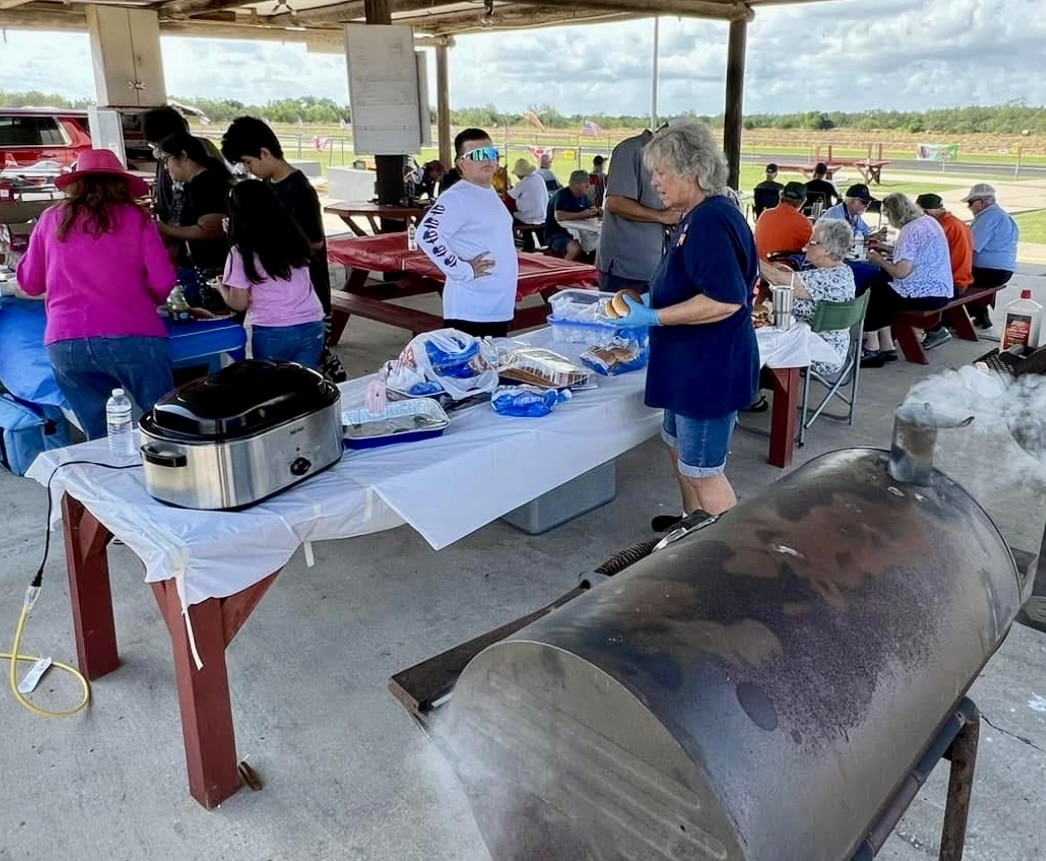
It is at these flying spaces where SMASH members and anyone at-large who loves planes gather for picnics to see the models take flight. These days, the electronic-powered planes are called “foamies,” Reilly says, and are largely ready-to-fly, upon purchase. Radio equipment is built into the foam model planes. From there, it’s a matter of practice and patience when learning how to maneuver the planes skyward.
“It’s not like learning to ride a bicycle,” Reilly said. “These foamies have electronics that help you keep the wings level. It’s something you have to work at.”
From Wooden Planes to Foamies
Reilly recalls the years of his youth when old-school planes were made of balsam wood and were hand-launched.
The wooden planes glided without a power source and were guided by wind currents. They were, as a result, vulnerable to the elements, and crashes were common. It meant going back to start over again from scratch to build a new model. The foamies have left those days far behind and led to a great diversity of models and designs, with Reilly saying, “They come in all shapes and sizes.”
From vintage planes to modern jets, the world of models is wide-ranging these days. Reilly says the majority of hobbyists who enjoy flying model planes lean toward an older demographic. He would like to see younger generations enjoying the hobby as he and many others have for years.
“Sometimes we’ve gotten away from it, but we always come back and enjoy it like we always have,” Reilly said. “What we all share is love of airplanes and flying.”
The Small Model Aircraft Society meets monthly in Harlingen. There is a model-of-the-month segment, when members can share their “latest creation,” Reilly said. All that is required is a love of airplanes and flying. Go to smashrc.com for more information.